The route is Silistra – Aidemir – Polkonivk Lambrinovo – Kalipetrovo – Silsitra
An easy and short route for beginners, families, children and people with disabilities who want to spend an outdoor day. Departure and return to Silistra at the crossing point.
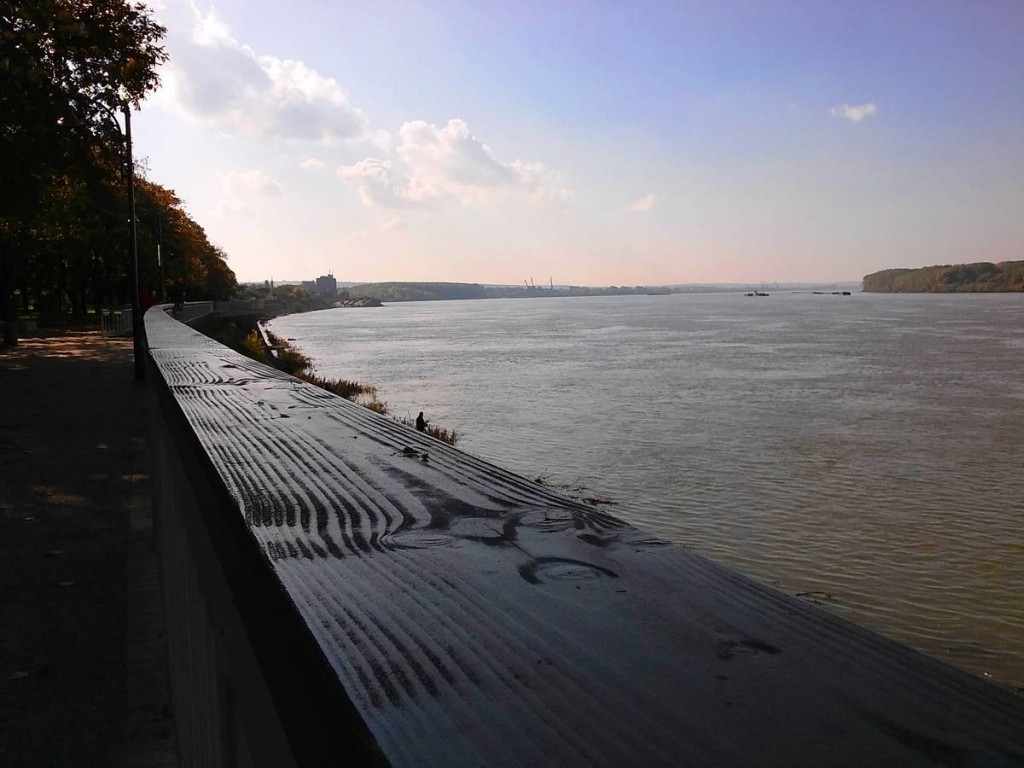
The route goes along the natural border of Bulgaria with Romania formed by the Danube River and follows the Danube course towards the exit of the city.
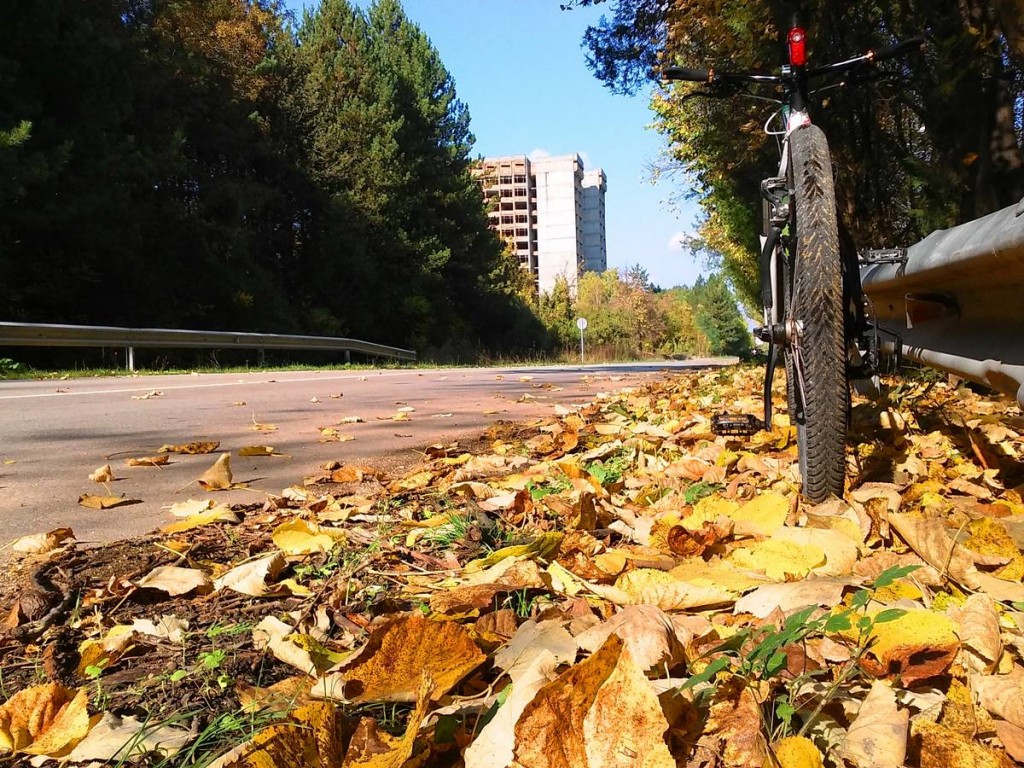
Then we start on the road that leads to Aidemir village and after crossing the village we cross the national road 21 and head south towards Polkovnic Lambrinovo.
Interesting about this village is the fact that between 1913 – 1940 the whole population was Romanian, because the village was Silistra net of Durostor county in Romania.
From here our route goes east, enters road 218 and goes up north. We leave this road quickly and take it east to intersect with the national road 21. In the village of Kalipetrovo.
The Danube Park is the first public garden and park on the Danube in Bulgaria.
The park was created 100-150 years ago and was first mentioned in 1870 in the newspaper „Turkey”.
The park hosts unique species protected and marked with different signs so as to differentiate from the other trees.
On the promenade that starts from the entrance to the park and continues towards the Danube, there are plenty of banks and a wide variety of trees.
„Tunnel” is a string of chestnuts grouped together in the form of a tunnel. During the summer, the park is a great place to relax with a cool breeze coming from the Danube.
In the eastern part of the park on the bank of the Danube there is the „Drustar” hotel, which offers to the tourists a large swimming pool and long boat rides on the Danube.
The Danube Park has 3 playgrounds, a fountain with frogs, bronze pelicans everywhere, and even a monument to Georgi Mamarchev, but its charm is given by the ruins of ancient castles that looked like huge camel horses along the coast. In the evening, people come to see the sunset over the river and the passing vessels.
This monument in Silistra is dedicated to the heroism shown by members of the 31st Infantry Regiment during the Second World War. The Regiment was established immediately after the liberation of Bulgaria from Ottoman domination. He was first established in Varna, but in 1904 he was moved to Silistra.
The Regiment participated in the Second World War to strengthen the 12th Infantry Division of the first Bulgarian army and gained the name of „iron” during the battles near Drava, Mur and the Yastrebtsi village.
Kurshumlu Mosque in Silistra is located in the central part of the city. It is declared a cultural monument of local importance.
The building was built in the early decades of the 16th century and best reflects the mastery of Osman architects. He took his name after the layers of lead covering the dome.
As with all the mosques built under the Osman dynasty, the Kurshumlu mosque is directed to Meka.
Pokrov Monastery in Aydemir is a monastery of nuns, just a few km away from the town of Silistra.
The monastery can be accessed by turning left from the main road Ruse-Silistra.
Built in 1996, the walls of the church were painted in October 2001 by four students. The catapeteasm includes both traditional Christian saints and the portraits of 12 local saints from Durostorum. Within the monastery are the relics of one of these – St. Thezi.
Unique to the Aydemir Monastery is the collection of glass containers from all over the world – bottles of different sizes with crafted crucifixes inside.
Sabri Huiseyin lived from the end of the seventeenth century to the middle of the nineteenth century and probably came from Buhara. In the first half of the nineteenth century, he was one of the most respected Sheikh Naqshbandi in Turtucaia and the region. The testimony for this is its altar (Turkish – tekke) – an octagonal stone building, built in the middle of the same century. At the altar there is also a ‘dance hall’ (semahane), which is also octagonal, but which is built of bricks and beams, probably from the second quarter of the nineteenth century.
Today Sabri Huseyin Turbe (also known as „Baba Teke Softa”) is one of the emblematic buildings in Turtucaia, and the place is often visited by tourists and Muslims (mainly from the Kizilbashis community for Ashura rituals) and Christian pilgrims who seeks a healing.
Address: „Kapitan Mamarchev” str. 10
Phone: 00359 86 812 200
Address: 41 „Dobrudzha” Str
Phone: 00359 86 833 033
Address: „Geno Cholakov” 1
Phone: 00359 89 854 6458
Address: „Pristanishtna” 1
Phone: 00359 89 455 7698
The „Danube On 2 Wheels” Project is co-financed by the European Union though the European Regional Development Fund, within the INTERREG V-A Romania – Bulgaria Programme.
The total eligible value of the project is EUR 497.713,26, of which EUR 423.056,25 represents the value of the European Union contribution through the European Regional Development Fund.
The content of this website does not necessarily represent the official position of the European Union. The initiators of the site are the sole responsibles for the information provided through the site.
www.interregrobg.eu
1-day Route to Silistra
Touristic objectives in area
Danube Park, Silistra
Monument of the „Iron” Regiment 31 in Silistra
Kurshumlu Mosque
Pkrov Monastery, Aidemir
Sanctuary Sabri Hyuseyin (Softa Baba)
„Drustar” Hotel, Silistra
„Silistra” Family Hotel
Riverside Restaurant, Silistra
Sweetness Restaurant, Silistra
Do you want more details?
- About the project
- AISSER
- Useful information
- Indicators
- „Danube on 2 Wheels” Tourist Center (ACTIS Sport Club – Calarasi)
- „Danube on 2 Wheels” Tourist Center ( „Sport for you and me – Sports Club Canoeing” Association – Belogradchik)
- Level – Beginners
- Total vertical climb – 280 m
- Duration – 1 day
- Distance – 65 km
- Surface – paved / unpaved
- Bicycle type – MTB


BeginnersSend a message